Wedding Suit vs Tuxedo: What Should the Groom Wear?
Wedding Suit vs Tuxedo: What Should the Groom Wear?
You have picked the venue, the date, and the guest list. Now all eyes are on you. While the bride’s dress often gets the spotlight, the groom’s attire matters just as much. You want to look sharp, feel confident, and match the tone of your wedding day.
For many grooms, the first challenge is a simple but confusing question. What is the difference between a suit and a tuxedo, and which one is right for your wedding?
Choosing between a wedding suit vs tuxedo does not need to be stressful. Whether you are planning a relaxed daytime ceremony or a formal evening event, this guide will help you make the right choice.
Understanding the Difference Between a Suit and a Tuxedo
At first glance, suits and tuxedos appear similar. Both include a jacket and trousers, often in darker colors. The real difference comes down to the details, especially the use of satin.
The Tuxedo
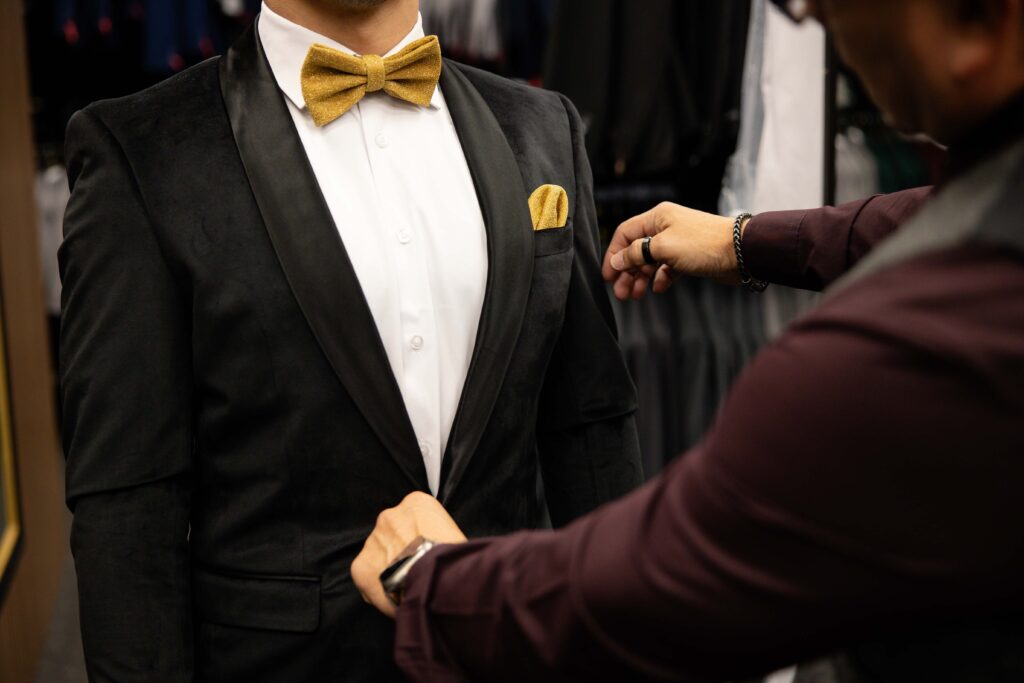
The defining feature of a tuxedo is satin. A traditional tuxedo includes satin lapels, satin-covered buttons, and a satin stripe down the side of the trousers. Tuxedos are designed specifically for formal events and evening wear.
The Suit
A suit does not include satin. The jacket, lapels, and trousers are made from the same fabric, and buttons are typically plastic, horn, or fabric covered. Suits are more versatile and can be styled formally or casually depending on accessories.
Factors to Consider When Choosing Groom Attire
Deciding between a groom suit or tuxedo depends on more than personal preference. These three factors help narrow the choice.
1. Time of Day
Traditionally, tuxedos are reserved for evening events. If your ceremony takes place before 6:00 PM or during daylight hours, a suit is usually the better option. For nighttime receptions and formal evening weddings, a tuxedo is appropriate.
2. Wedding Theme and Venue
Your attire should match the setting. A tuxedo works well in ballrooms, historic venues, and upscale estates. For outdoor ceremonies, beach weddings, barns, or vineyards, a suit in blue, gray, or tan often looks more natural.
3. Budget
Buying a tuxedo is often a larger investment since it is worn less frequently. A suit offers more long-term value because it can be worn again for business events, other weddings, or formal occasions. Many grooms looking for
wedding suits in ontario mills find options that balance cost and style without sacrificing fit.
Suit Fit Guide for Grooms
Whether you choose a suit or a tuxedo, fit matters more than price. A properly fitted suit always looks better than an expensive one that does not fit correctly.
Jacket Length
The hem of the jacket should cover your seat. If it sits higher, the jacket looks too short. If it hangs too low, it shortens the appearance of your legs.
Shoulder Fit
The jacket shoulders should end exactly where your shoulders end. Divots, wrinkles, or pulling indicate a poor fit. This is the hardest part to alter, so it needs to fit correctly from the start.
Sleeve Length
Jacket sleeves should end just above the wrist bone, allowing about half an inch of shirt cuff to show. This detail adds contrast and makes the outfit look intentional.
Collar Fit
The jacket collar should sit flush against the shirt collar. Gaps or bunching signal that the jacket is too loose or too tight.
Slim Fit vs Classic Fit
Slim Fit
Slim fit suits are cut closer to the body with a tapered waist and narrower trousers. They work well for lean or athletic builds and create a modern silhouette.
Classic Fit
Classic fit suits provide more room through the chest, waist, and legs. They offer comfort and flexibility and remain a timeless option for many body types.
Tuxedo Guidelines for Formal Weddings
- Shirt: White dress shirt with a wing or turndown collar.
- Tie: Bow tie for a formal look.
- Waist: Cummerbund or low-cut vest.
- No belts: Use suspenders.